The Complete Guide to Dental Implants in Riverside
If you're missing one or more teeth, you've probably already heard that dental implants are the "gold standard" of tooth replacement. It's a phrase thrown around a lot, but it's accurate — and it's worth understanding exactly why, especially before you decide how to spend your time, money, and trust on a treatment that can last the rest of your life. As an implant dentist who has placed and restored implants for over a decade, I want to walk you through what implants actually are, who they work best for, what the process really looks like from consultation to final crown, and how to think about cost so there are no surprises.
What Is a Dental Implant, Exactly?
A dental implant is a small titanium (or titanium-alloy) post that is surgically placed into your jawbone, where it acts as an artificial tooth root. Titanium has a unique property called osseointegration — your jawbone actually fuses to the implant surface over a period of months, creating a bond that is remarkably close to the strength of a natural tooth root. Once that fusion is complete, we attach a connector piece called an abutment, and finally a custom-made crown that matches the shape, size, and shade of your surrounding teeth.
Unlike a bridge, an implant doesn't rely on neighboring teeth for support, so we don't have to grind down healthy enamel on adjacent teeth to anchor it. Unlike a removable denture, it doesn't shift, click, or need to come out at night. It simply functions like the tooth it replaced — you brush it, floss around it, and eat with it normally.
Who Is a Good Candidate?
Most healthy adults missing one or more teeth are candidates for implants, whether the tooth was lost to decay, injury, or gum disease, or was congenitally missing. The best candidates have adequate jawbone density to support the implant and healthy gums free of active periodontal disease. That said, "not enough bone" is rarely a dead end anymore — bone grafting has become a routine, predictable part of implant dentistry, and we can often rebuild the foundation needed over a few extra months.
A few factors we evaluate closely during your consultation:
- Bone volume and density at the implant site, assessed with a 3D CT scan
- Gum health and whether any periodontal treatment is needed first
- Medical history, including diabetes control, osteoporosis medications, and smoking status, all of which affect healing
- Bite alignment and how the new tooth will function with your existing teeth
The Implant Process, Step by Step
Patients are often surprised implants aren't a single appointment — it's a staged process, and the pacing exists to protect the long-term success of the implant. Here's the typical timeline I walk patients through at our Riverside consultations:
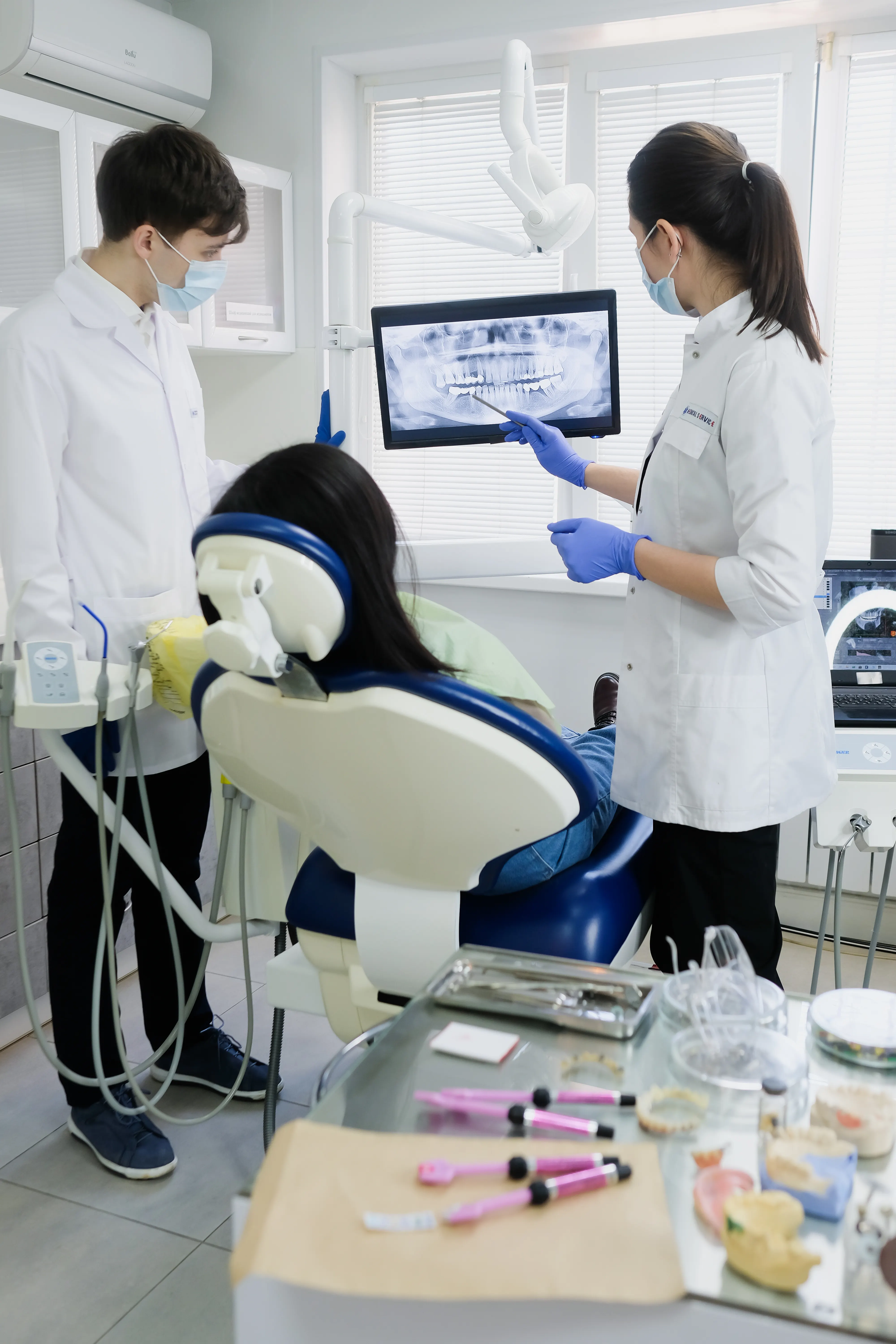
- Consultation and 3D imaging (Visit 1): We take a cone-beam CT scan to map your bone structure, nerve position, and sinus location, then design a precise treatment plan.
- Extraction and/or bone grafting, if needed (Visit 2, if applicable): If the tooth is still present, it's removed; if bone volume is low, we graft material into the site and allow 3-4 months for it to mature.
- Implant placement (Visit 3): The titanium post is placed under local anesthesia — most patients describe it as easier than a tooth extraction. This typically takes 45-90 minutes per implant.
- Osseointegration and healing (3-6 months): The implant fuses with your jawbone. You'll wear a temporary tooth during this period so you're never without a smile.
- Abutment and final crown (Final visit): Once integration is confirmed, we attach the abutment and place your custom, shade-matched crown.
What Does It Cost, and How Do Insurance and Financing Fit In?
Implant cost varies based on how many teeth need replacing, whether bone grafting or extractions are needed, and the type of restoration (a single crown versus an implant-supported bridge or full-arch restoration). A single implant with crown typically represents a meaningful investment, and we're upfront that it costs more up front than a bridge or denture — but it's also the only replacement option that doesn't typically need to be redone every 7-10 years, which changes the lifetime math considerably.
Most dental insurance plans cover a portion of implant treatment, especially the crown and sometimes the extraction, though coverage for the surgical placement itself varies plan to plan — our front office team will verify your specific benefits before treatment starts so there are no surprises. For the portion insurance doesn't cover, we work with CareCredit and LendingClub Patient Solutions, both of which offer monthly payment plans, including options with no interest if paid within a promotional period. We'll build out a full breakdown specific to your treatment plan at your consultation.
Recovery: What to Expect After Surgery
Implant placement is a minor surgical procedure, but recovery is usually more comfortable than people expect. Most patients manage discomfort with over-the-counter pain relievers for two to three days and are back to normal activities within 48-72 hours. Some swelling and mild bruising near the site is normal for the first few days.
During the first week, we recommend sticking to soft foods, avoiding the surgical site when brushing, and skipping strenuous exercise for a few days to reduce swelling. The osseointegration period that follows requires no special care beyond your normal oral hygiene routine and keeping your regular checkup schedule so we can monitor healing.
Why Choose a Local Riverside Practice for Your Implants
Implant treatment unfolds over several months and several appointments, which makes the relationship with your dentist matter as much as the procedure itself. At Inland Family Dental, our implant cases are led by me — I completed an additional two years of hospital-based training focused specifically on implant surgery and restorative dentistry after dental school, and I still personally review every CT scan and treatment plan for our implant patients, whether you're seen at our Riverside, Temecula, or Redlands office.
Choosing a local practice also means faster follow-up if anything feels off during healing, a team that already has your full dental and medical history on file, and continuity between the surgeon who places your implant and the dentist who restores it — for us, that's the same team throughout. If you're considering implants, the best next step is a consultation and CT scan so we can give you an honest, specific answer about your candidacy, timeline, and cost.
Dr. Michael Osei
Restorative & Implant Dentist, DMD — leads our Temecula office and sees implant consults across all three locations
More from our blogKeep Reading
Related Posts
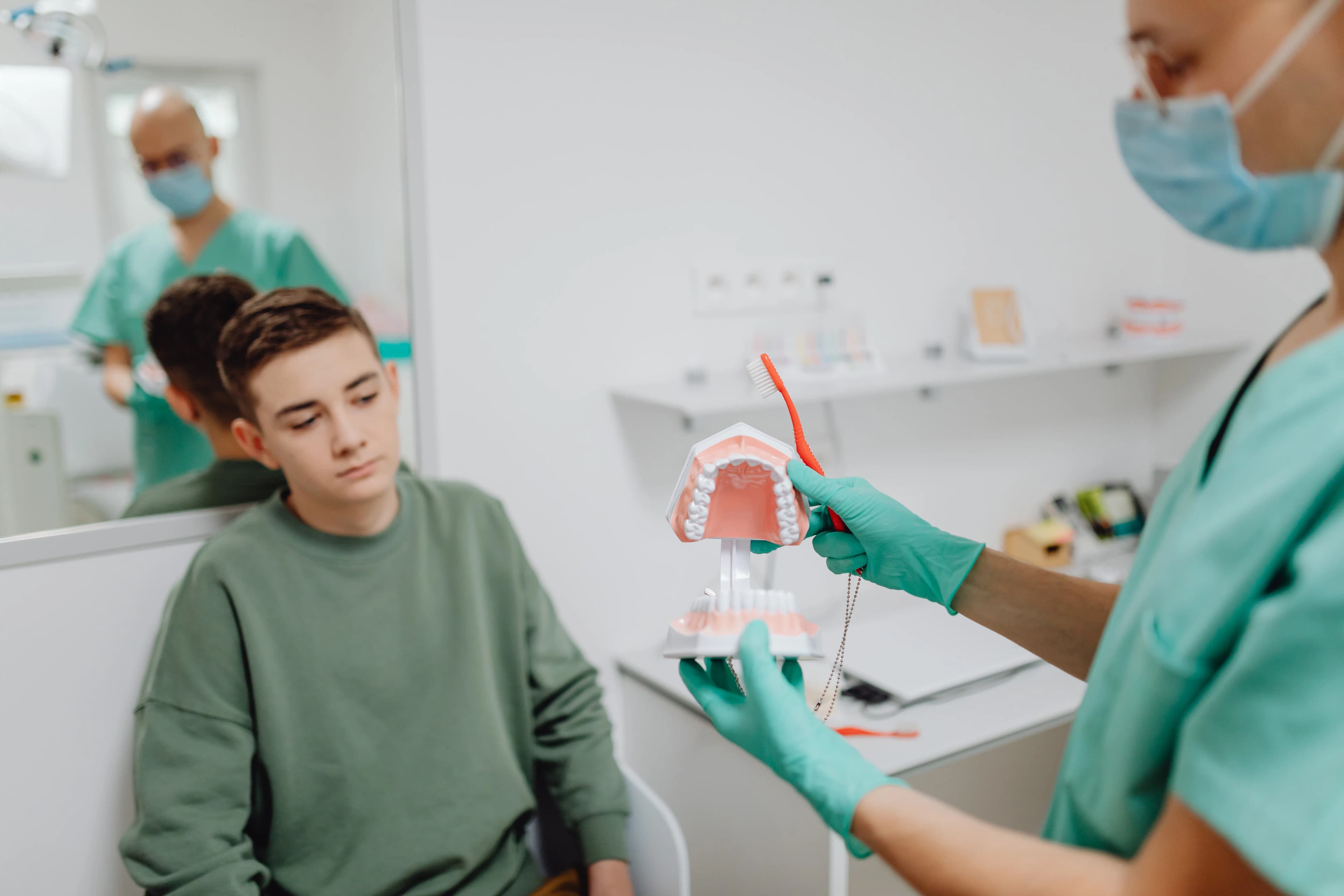
Your Kid's First Dental Visit: What to Expect
A pediatric dentist's guide to preparing your child for their first appointment, including when to schedule it and how to ease first-visit jitters.
Dr. Priya Chandran · May 28, 2026
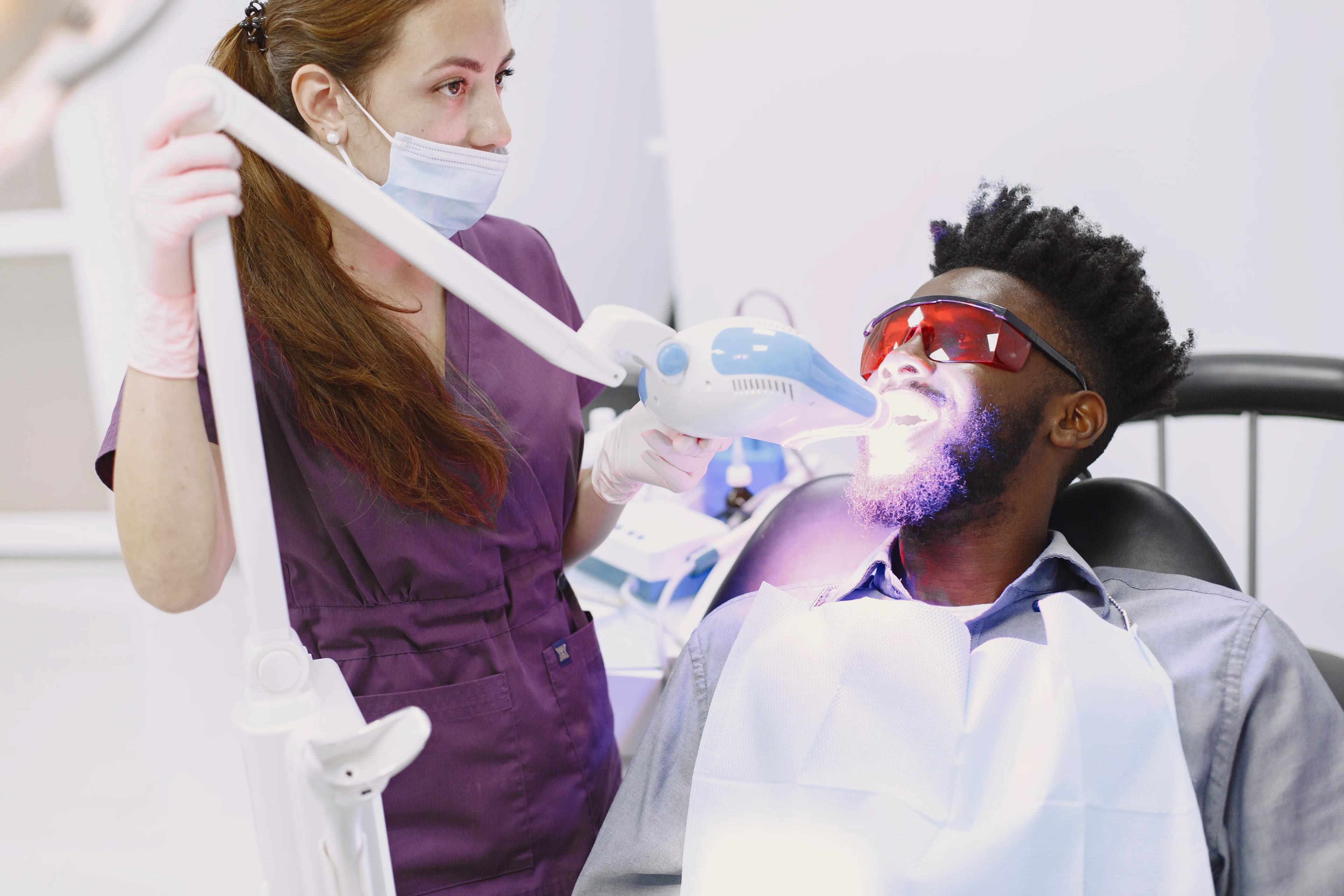
Teeth Whitening Options Compared: In-Office vs. Take-Home vs. Strips
We break down the pros, cons, cost, and expected results of every whitening option we offer, so you can pick the right one for your smile and budget.
Dr. Sarah Whitfield · May 10, 2026
Ready to Book Your Visit?
Our team across Riverside, Temecula, and Redlands is ready to help. Call (951) 555-0300 or request an appointment online.
Book Your Visit