Comfortable, Modern Treatment
Root Canal Therapy in Riverside, Temecula & Redlands
Modern, comfortable treatment that relieves pain and saves your natural tooth.
Book This ServiceRoot Canal Therapy
Relieving Pain, Saving Teeth
Root canal therapy is one of the most misunderstood procedures in dentistry — and one of the most effective at relieving pain and saving a natural tooth. When deep decay, a crack, or a previous filling allows bacteria to reach the soft pulp tissue inside a tooth, that tissue can become infected or inflamed, causing the throbbing, persistent pain many patients associate with the need for a root canal. The treatment itself removes that damaged tissue, cleans and disinfects the canal, and seals it — which is why patients almost always feel better, not worse, afterward.
You might need a root canal if you're experiencing a lingering toothache, sharp pain when biting down, ongoing sensitivity to hot or cold that doesn't fade quickly, or swelling near a specific tooth. Sometimes an infection shows no obvious symptoms and is only discovered during a routine exam and x-ray, which is one more reason regular checkups matter.
Here's the truth behind the biggest myth: a root canal doesn't cause pain, it relieves it. The discomfort people fear is caused by the untreated infection itself, not the procedure. With modern local anesthesia, precise instruments, and a gentle chairside approach, most patients describe the experience as comparable to getting a routine filling — and they leave with the throbbing pain that brought them in finally gone.
Most root canals are completed in one to two visits. Afterward, we typically recommend a custom crown to protect the tooth and restore full chewing strength, since a treated tooth can be more brittle without the added support. With proper care, a tooth that's had a root canal can last for decades — often a lifetime — giving you every reason to save it rather than extract it.

Why It's Worth It
Benefits of Root Canal Therapy
Relieves Tooth Pain
A root canal removes infected or inflamed tissue that's causing your pain — most patients feel relief right away.
Saves Your Natural Tooth
We remove only the damaged inner tissue, preserving as much of your natural tooth structure as possible.
Comfortable Procedure
Modern local anesthesia and gentle technique make root canal therapy far more comfortable than its reputation suggests.
Stops Infection From Spreading
Treating an infected tooth promptly prevents it from spreading to surrounding teeth, gums, and jawbone.
Usually One or Two Visits
Most root canals are completed in one to two appointments, minimizing time away from your routine.
Long-Lasting With a Crown
A custom crown placed after treatment protects and strengthens the tooth for years of normal use.
What to Expect
Your Root Canal, Step by Step
Diagnosis & Digital X-Ray
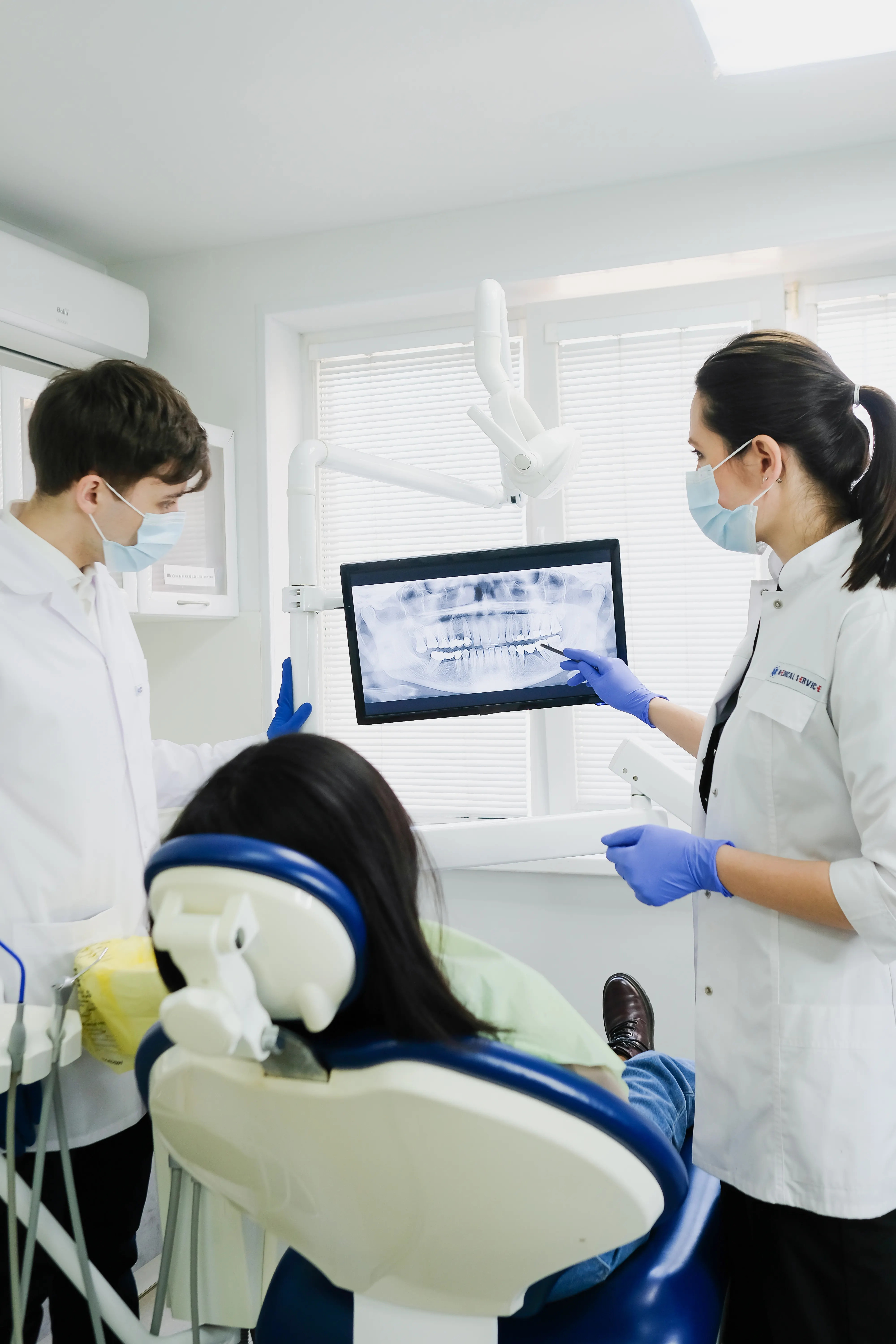
We take a digital x-ray and evaluate your symptoms to confirm the tooth's nerve tissue is infected or inflamed.
Numbing & Access
We thoroughly numb the area, then create a small opening to access the infected pulp inside the tooth.
Cleaning & Sealing
We carefully remove the damaged tissue, clean and disinfect the canal, then seal it to prevent reinfection.
Custom Crown Placement
In a follow-up visit, we place a custom-fitted crown to protect and restore full function to the tooth.
Questions & Answers
Root Canal FAQ
Does a root canal hurt?
This is the most common myth we hear, and it's backwards — a root canal relieves pain, it doesn't cause it. The pain patients associate with root canals is actually caused by the underlying infection or inflammation before treatment. With modern local anesthesia and technique, the procedure itself feels similar to getting a routine filling, and most patients report feeling significantly better once it's done.
How do I know if I need a root canal?
Common signs include a persistent or severe toothache, sharp pain when biting or chewing, prolonged sensitivity to hot or cold, swelling or tenderness in the gums, or a small pimple-like bump on the gum near the tooth. Sometimes an infected tooth shows no symptoms at all and is only caught on a routine x-ray, which is another reason we recommend regular checkups.
How long does a root canal take?
Most root canals take about 60-90 minutes and are completed in one visit, though some cases — particularly on molars with multiple canals — may require a second appointment. Your dentist will let you know what to expect based on the specific tooth and severity of infection.
What happens after a root canal — will I need a crown?
In most cases, yes. Once the infected tissue is removed, the tooth is more brittle and prone to fracture, so we typically recommend a custom crown to protect it and restore full biting strength. We'll walk you through the crown process and timeline at your root canal appointment.
Is root canal treatment better than extraction?
In almost every case, yes. Saving your natural tooth with a root canal preserves your natural bite, prevents shifting of neighboring teeth, and avoids the additional cost and time of a bridge or implant down the road. We only recommend extraction when a tooth truly can't be saved.
Don't Let Tooth Pain Wait
Schedule a root canal consultation and let us help you get out of pain and save your natural tooth.