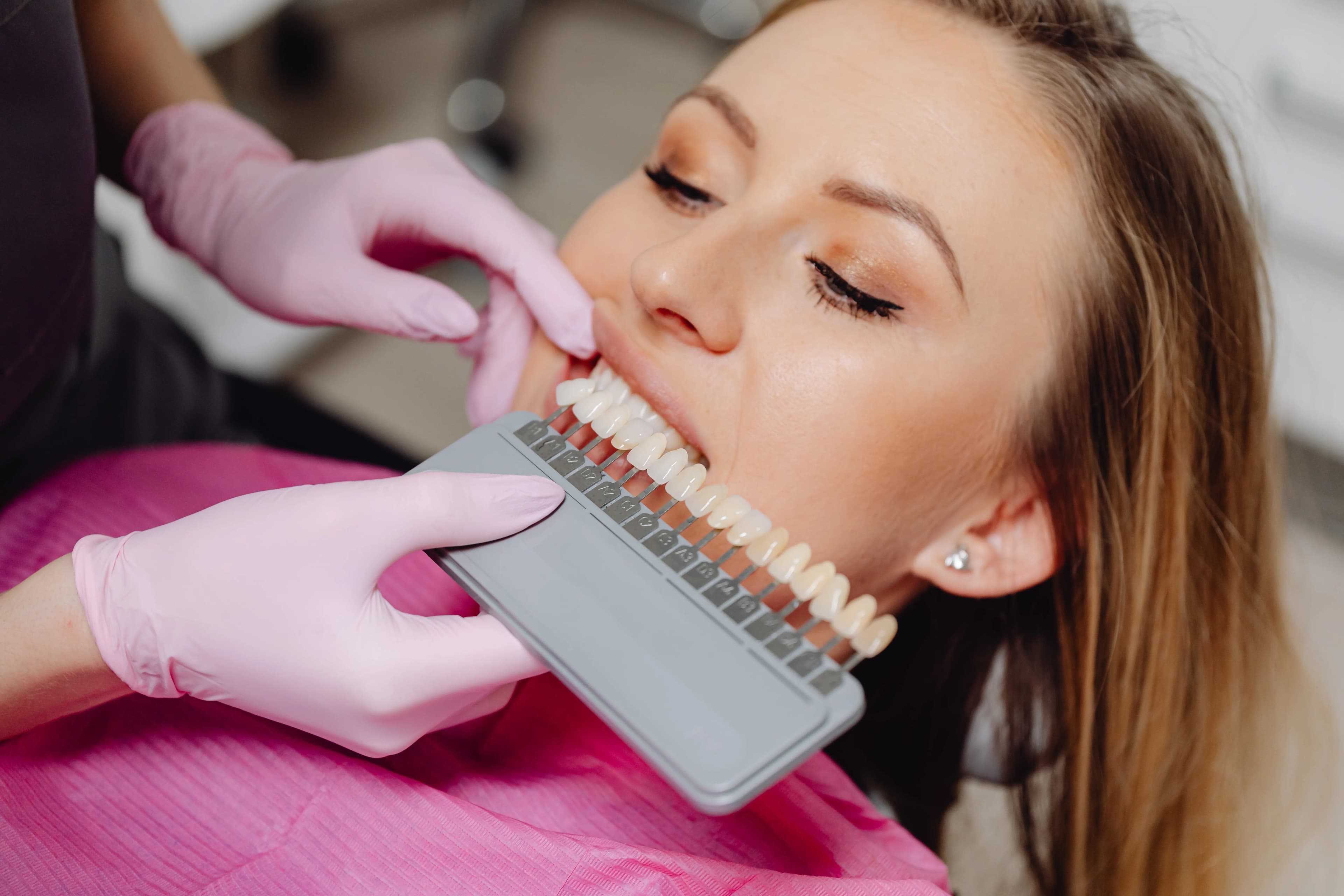
Restorative Dentistry
Dental Crowns
Custom-fit, natural-looking crowns that restore strength and confidence to damaged teeth.
Book This ServiceWhen You Need a Crown
Rebuilding Teeth That Fillings Can't Fix
A dental crown is a custom-made cap that fits over your entire tooth, restoring its shape, strength, and appearance. We typically recommend a crown when a tooth has a cavity too large for a standard filling, a visible crack or fracture, significant wear from grinding, or when a tooth has become brittle after a root canal. In each of these cases, the natural tooth structure alone isn't strong enough to safely handle everyday biting and chewing, and a crown distributes that force evenly across the entire tooth.
We offer crowns in porcelain and zirconia, two of the most trusted materials in modern restorative dentistry. Porcelain crowns are prized for their lifelike translucency and are our top choice for front teeth, where matching your natural smile is the priority. Zirconia crowns are exceptionally strong and chip-resistant, making them ideal for molars that absorb the greatest chewing forces. During your consultation, we'll examine the tooth, review your bite, and recommend the material that balances durability with a seamless appearance.
For most patients, the crown process takes two visits. At the first appointment, we numb the area, gently reshape the tooth to make room for the crown, and capture a precise digital impression. A skilled dental lab then hand-crafts your permanent crown to match the shade and contour of your surrounding teeth, a process that typically takes one to two weeks. You'll wear a comfortable temporary crown in the meantime. At the second visit, we check the fit and bite of your new crown, make any small adjustments, and permanently cement it in place. For select cases, our offices can also offer same-day crown appointments using digital scanning and in-office milling, eliminating the temporary crown altogether.
A well-cared-for crown can last 10 to 15 years or more. Treat it like a natural tooth: brush twice daily, floss around the margin where the crown meets your gum, avoid chewing ice or hard candy, and keep up with your regular cleanings so we can catch any issues early.

Why Choose a Crown
Real Benefits for Your Smile
Restores strength to teeth weakened by large fillings, cracks, or decay
Protects teeth after root canal treatment
Custom shade-matched to blend naturally with your smile
Durable materials built to last a decade or longer with proper care
Prevents further damage that could lead to tooth loss
Improves bite function so you can chew comfortably again
Real Results
Restored Teeth, Renewed Confidence

Diagnostic X-Ray
Precise imaging guides every crown treatment plan.
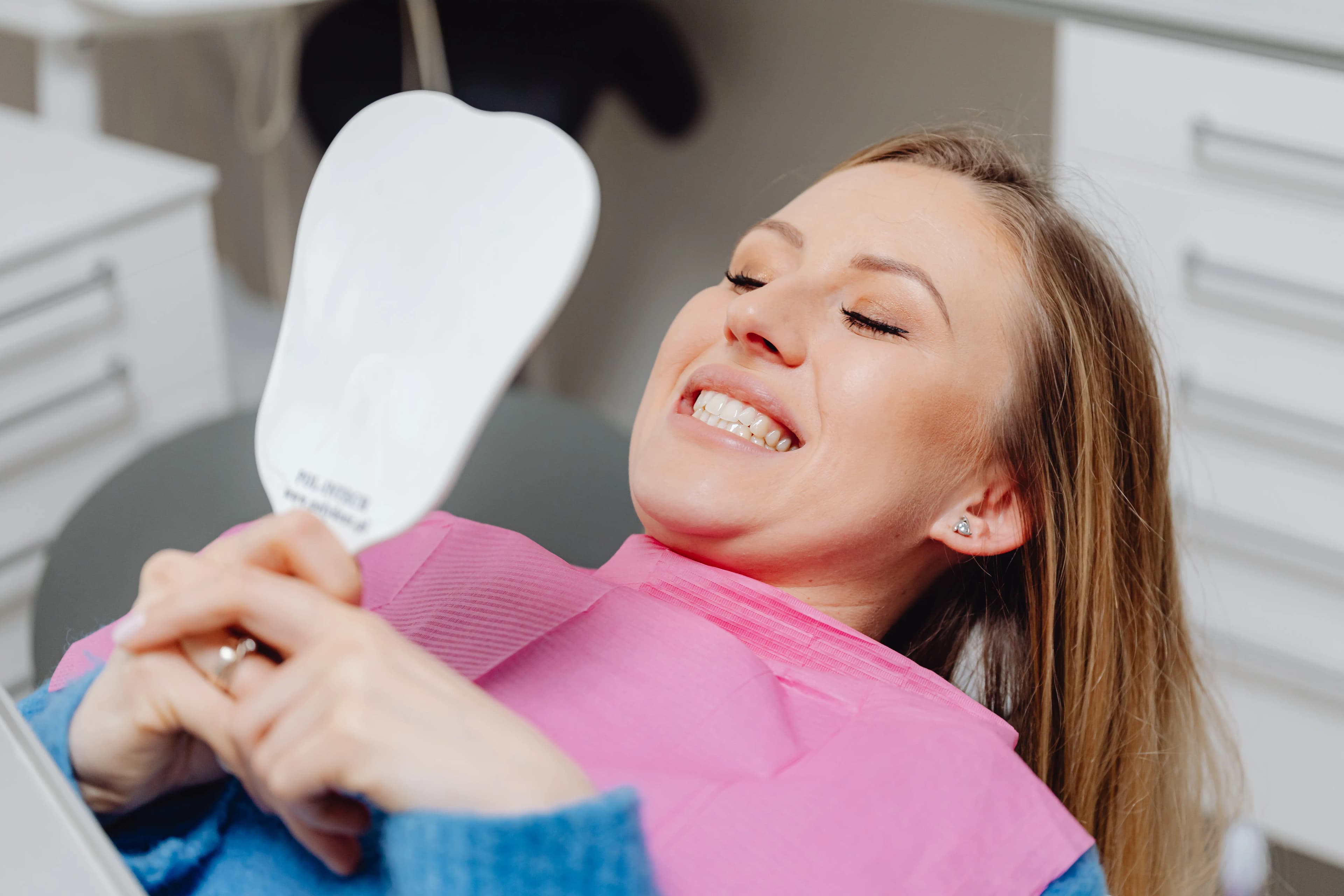
Natural-Looking Result
Shade-matched crowns blend seamlessly with your smile.
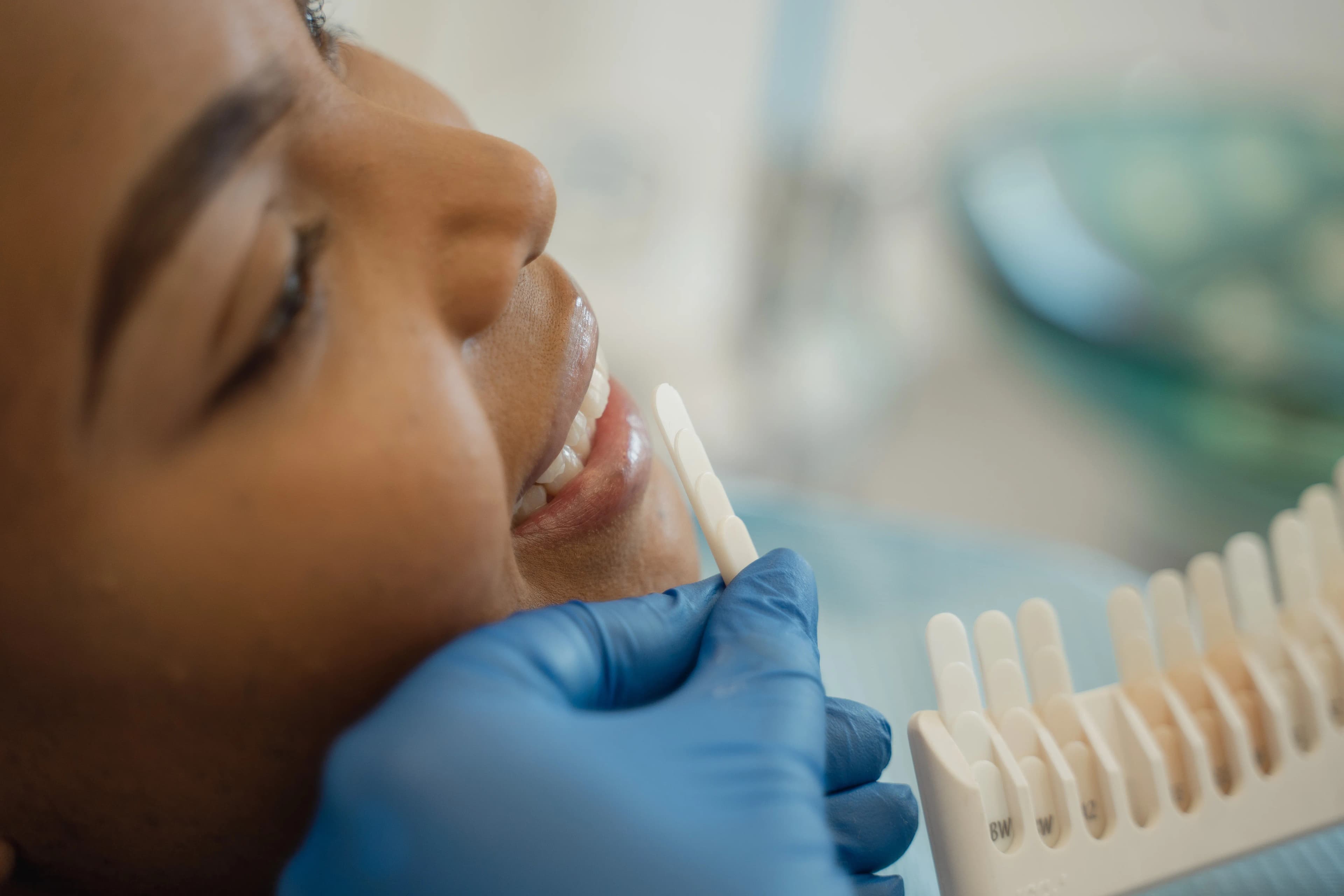
Comfortable Bite
A properly fitted crown restores full chewing function.
Photos shown are for illustrative purposes.
Questions & Answers
Dental Crown FAQs
How do I know if I need a crown instead of a filling?
Fillings work well for small to moderate cavities, but once a tooth has lost too much structure — from a large cavity, a crack, or repeated fillings — it no longer has enough healthy tooth left to support a filling. A crown covers and protects the entire visible portion of the tooth, distributing chewing forces evenly so the tooth doesn't fracture. Your dentist will examine the tooth and take an X-ray to determine which option is right for you.
Does getting a dental crown hurt?
No. We thoroughly numb the tooth and surrounding gum tissue before any preparation begins, so patients typically feel only mild pressure during the appointment. Most people describe the process as similar to getting a filling. After the numbing wears off, it's normal to have some mild sensitivity for a day or two, which usually responds well to over-the-counter pain relievers.
How long does the crown process take?
A traditional crown takes two visits about one to two weeks apart. At the first visit, we prepare the tooth, take a digital impression, and place a temporary crown while your permanent crown is custom-milled at a dental lab. At the second visit, we remove the temporary and cement your permanent crown in place. Some cases qualify for same-day crown technology, which lets us design and mill a ceramic crown chairside in a single appointment.
What's the difference between porcelain and zirconia crowns?
Porcelain crowns offer the most natural, translucent appearance and are an excellent choice for front teeth where esthetics matter most. Zirconia crowns are milled from a highly durable ceramic material that resists chipping and cracking, making them a great option for molars that handle heavy chewing forces. We'll recommend the best material based on the tooth's location and your bite.
How long do dental crowns last?
With good oral hygiene, regular checkups, and habits like avoiding ice-chewing or using teeth as tools, a well-made crown typically lasts 10 to 15 years, and many last much longer. Brushing twice daily, flossing around the crown margin, and keeping up with your six-month cleanings are the best ways to maximize its lifespan.
Ready to Restore Your Tooth?
Schedule a crown consultation at our Riverside, Temecula, or Redlands office and let our team take care of the rest.