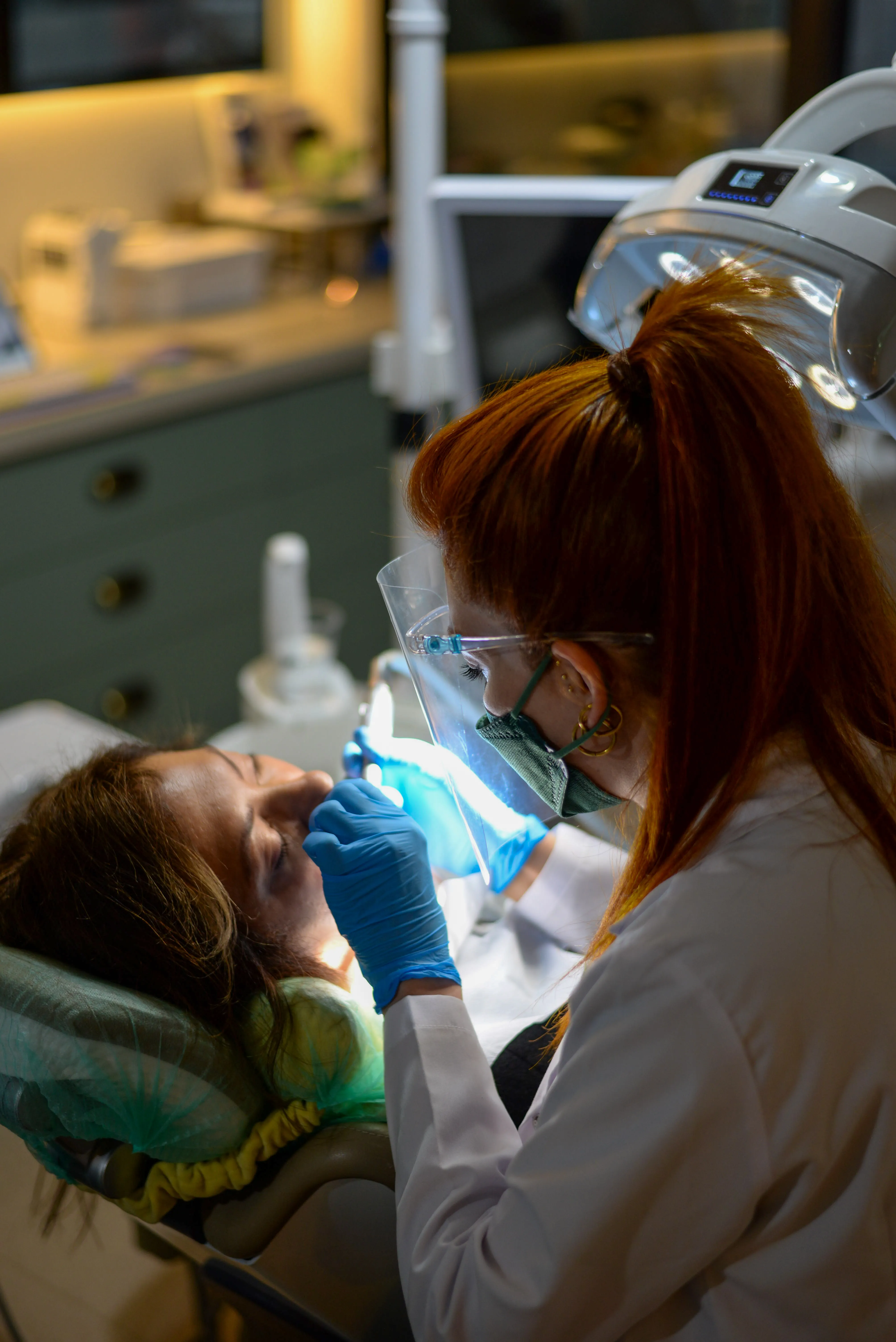
Gum Health
Periodontal Care
Gentle, effective treatment for gum disease that protects your smile and your health.
Book This ServiceUnderstanding Gum Disease
Protecting the Foundation of Your Smile
Gum disease develops in stages. It begins as gingivitis, an early and reversible inflammation caused by plaque buildup along the gumline, which shows up as redness, puffiness, or bleeding when you brush or floss. Left untreated, gingivitis can advance to periodontitis, a more serious infection where gums separate from the teeth and form pockets that harbor bacteria. Over time, periodontitis breaks down the bone and connective tissue that hold your teeth in place, and it's the leading cause of tooth loss in adults.
The good news is that gum disease is highly treatable, especially when caught early. For gingivitis, a professional cleaning combined with better daily brushing and flossing is often enough to fully reverse it. For periodontitis, we recommend scaling and root planing, commonly known as a deep cleaning. This two-part procedure removes plaque and tartar from below the gumline and smooths the tooth root surfaces so your gums can reattach and heal. We numb the area beforehand, so the procedure is far more comfortable than patients expect.
Because periodontitis is a chronic condition, treatment doesn't stop after the deep cleaning. We'll place you on a periodontal maintenance schedule, typically cleanings every three to four months instead of the standard six, so our hygienists can monitor pocket depths and remove new bacterial buildup before it causes further damage. Watch for warning signs between visits, including gums that bleed easily, persistent bad breath, gum recession, loose teeth, or a change in how your bite feels. If you notice any of these symptoms, don't wait for your next scheduled visit — earlier intervention almost always means simpler, less invasive treatment.
Gum health matters beyond your mouth. Research consistently links chronic gum inflammation to higher risks of heart disease, stroke, and complications with diabetes. Investing in periodontal care is one of the most effective things you can do for your long-term health, not just your smile.

Why It Matters
The Benefits of Periodontal Care
Removes bacteria and tartar buildup below the gumline
Stops gum disease progression before it reaches the bone
Reduces gum bleeding, swelling, and bad breath
Helps prevent tooth loss caused by advanced periodontitis
Supported by research linking gum health to heart and overall health
Personalized maintenance schedule to keep your gums healthy long-term
Real Results
Healthier Gums, Healthier You

Thorough Evaluation
We measure pocket depths to track gum health over time.
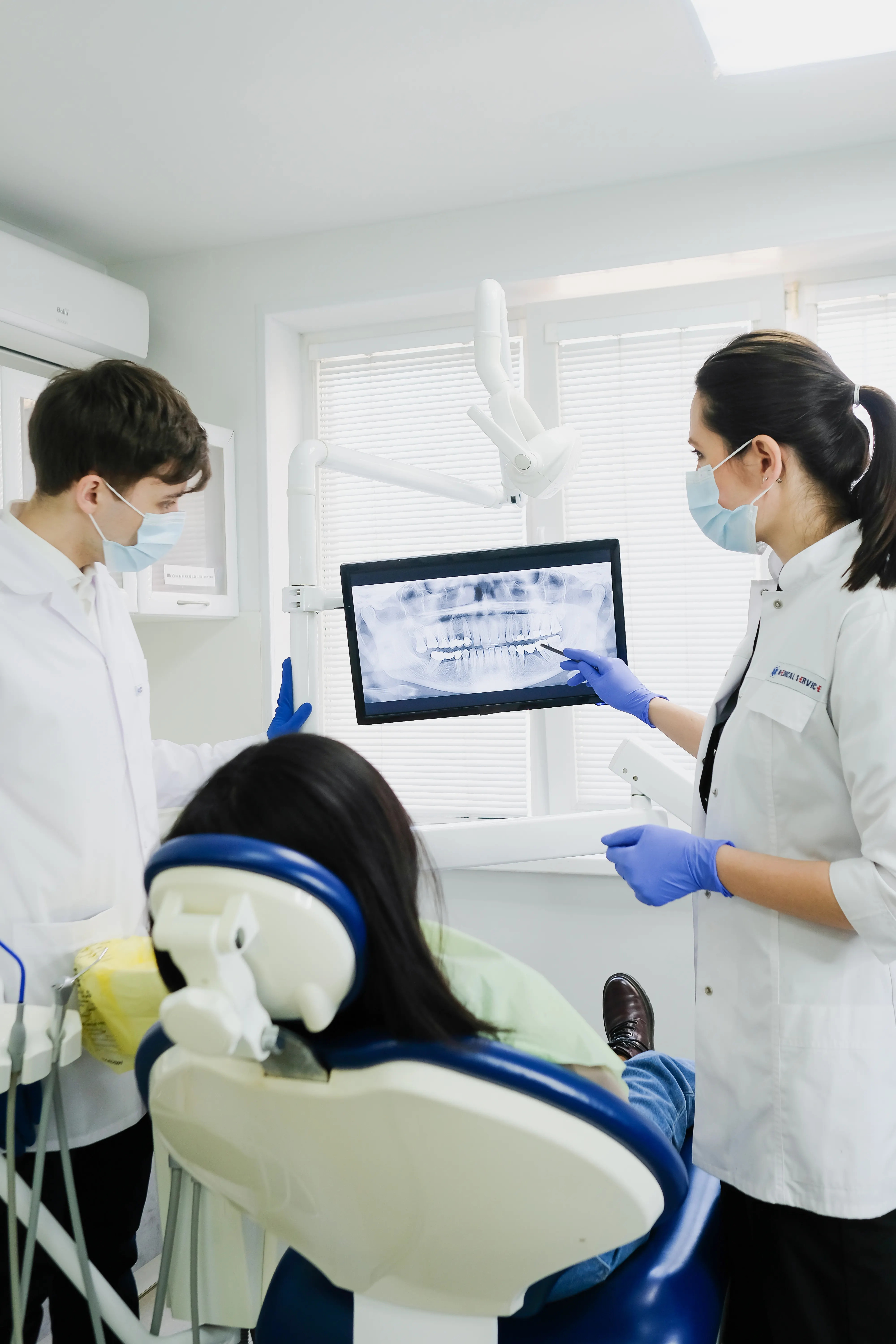
Diagnostic Imaging
X-rays reveal bone loss that isn't visible during a standard exam.

Restored Gum Health
Consistent care brings gums back to a healthy, pink, firm state.
Photos shown are for illustrative purposes.
Questions & Answers
Periodontal Care FAQs
What's the difference between gingivitis and periodontitis?
Gingivitis is the earliest stage of gum disease, caused by plaque buildup along the gumline that leads to redness, swelling, and bleeding when you brush or floss. At this stage, the condition is reversible with a professional cleaning and improved home care. If left untreated, gingivitis can progress to periodontitis, a more serious infection where the gums pull away from the teeth, forming pockets that trap bacteria and gradually damage the bone and tissue that support your teeth. Periodontitis is not fully reversible, but it can be managed and controlled with treatment.
Is scaling and root planing painful?
We numb the treatment area with a local anesthetic before starting, so most patients feel little to no discomfort during scaling and root planing. Some mild soreness or tooth sensitivity for a few days afterward is normal and typically manageable with over-the-counter pain relievers and a soft-food diet for the first day or two. Most patients are surprised at how manageable the procedure is compared to what they expected.
What happens during a deep cleaning?
Scaling and root planing, often called a "deep cleaning," is performed in two parts. Scaling removes plaque and tartar from both above and below the gumline, including deep within the periodontal pockets. Root planing then smooths the tooth root surfaces, which removes rough spots where bacteria collect and makes it easier for your gums to reattach to the tooth. Depending on the severity, treatment may be completed in one visit or split into quadrants over two appointments.
How often do I need periodontal maintenance visits?
Once active gum disease has been treated, we typically recommend periodontal maintenance cleanings every three to four months, rather than the standard twice-a-year schedule. These more frequent visits allow us to monitor pocket depths, remove new bacterial buildup before it causes damage, and catch any signs of recurrence early, which is essential since periodontitis is a chronic condition that requires ongoing management.
Can gum disease really affect my overall health?
Yes. Research has linked chronic gum inflammation to an increased risk of heart disease, stroke, diabetes complications, and adverse pregnancy outcomes. The bacteria and inflammatory markers associated with periodontitis can enter the bloodstream and affect other parts of the body. Treating gum disease isn't just about saving your teeth — it's an important part of protecting your overall health.
Ready to Protect Your Gum Health?
Schedule a periodontal evaluation at our Riverside, Temecula, or Redlands office today.